

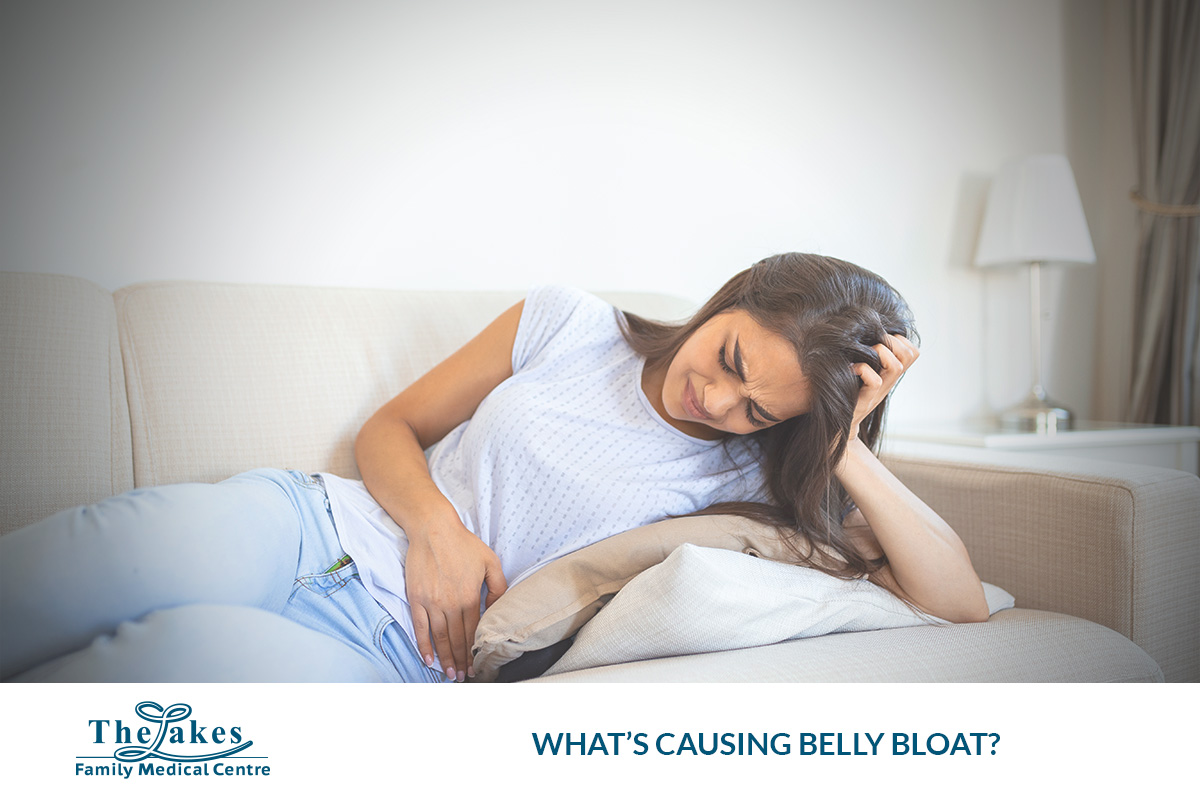
Many Australians experience belly bloating and it can be both uncomfortable and frustrating. Your stomach may feel tight, swollen or heavy and sometimes it visibly expands. Although bloating is common, understanding why it happens helps you manage it more effectively.
This article explores the most common causes of belly bloat, offers practical ways to improve your digestive comfort and explains when you should consider seeking medical support.
What Is Belly Bloat?
Belly bloat involves two key symptoms:
- Bloating – a feeling of fullness, tightness or abdominal pressure
- Distension – visible swelling where the abdomen looks or feels larger
Because these sensations often occur together, many people struggle to tell the difference. Nevertheless, identifying the cause helps you manage symptoms more effectively.
What’s Causing Belly Bloat?
Gas Build-Up
Gas is one of the most common causes of bloating. When your body does not completely break down certain foods in the stomach or small intestine, these foods move into the large intestine. There, gut bacteria ferment them and produce gas. As the gas builds up, your abdomen can feel tight or heavy.
Furthermore, digestive enzymes naturally decrease with age, which may make incomplete digestion more likely.
Difficulty Digesting FODMAP Carbohydrates
Some carbohydrates are harder to digest because they belong to a group called FODMAPs. These foods ferment quickly in the gut and often lead to more gas and bloating.
Common high-FODMAP foods include:
- Onions and garlic
- Beans, lentils and chickpeas
- Wheat products
- Apples, pears and stone fruits
- Dairy (in people with lactose sensitivity)
- Sugar alcohol sweeteners found in “sugar-free” products
Because these foods ferment rapidly, they can create significant bloating in people with sensitive digestion, IBS or gut inflammation.
Swallowing Too Much Air
You may also swallow excess air without realising it. Eating too fast, using straws, chewing gum or drinking fizzy drinks increases the amount of air entering your digestive system. Eventually, this air becomes trapped, leading to bloating or abdominal pressure.
Slowing down during meals and reducing carbonated drinks often helps.
Slow Digestion and Reduced Gut Motility
As we age, digestion naturally slows down. Food may take longer to leave the stomach and bowel movements may occur less frequently. When this happens, gas builds up more easily because the intestines move waste more slowly.
Constipation also contributes to bloating because stool remains in the bowel longer, giving gas more time to accumulate.
Underlying Health Conditions
Although occasional bloating is usually harmless, persistent bloating may point to a deeper issue. Some medical conditions that commonly cause bloating include:
- Irritable Bowel Syndrome (IBS) – where the gut becomes more sensitive and reactive to gas
- Coeliac Disease – where gluten triggers inflammation in the small intestine
- Inflammatory Bowel Disease (IBD) – including Crohn’s disease and ulcerative colitis
- Chronic constipation – which slows gut motility and increases abdominal pressure
If you experience ongoing bloating, it is important to discuss these possibilities with your GP.
When Is Bloating Harmless and When Should You Seek Help?
Generally Harmless When:
- It happens occasionally after certain meals
- It settles within a few hours or by the next day
- It improves when you adjust your diet or slow your eating pace
Seek medical support if bloating:
- Becomes frequent or persistent
- Comes with severe abdominal pain
- Is accompanied by blood in the stool
- Is associated with unexplained weight loss
- Occurs together with persistent diarrhoea or constipation
- Affects your daily activities or quality of life
These symptoms may indicate an underlying digestive condition that requires medical attention.
Practical Ways to Reduce Belly Bloat
Eat More Mindfully
Slow your eating pace, chew thoroughly and avoid talking while eating. Mindful eating helps reduce swallowed air and supports smoother digestion.
Identify Trigger Foods
Track your meals and symptoms to identify which foods cause discomfort. Many people notice improvement when reducing high-FODMAP foods or carbonated beverages.
Increase Fibre Gradually
Because a sudden increase in fibre can create gas, slowly introduce more fibre-rich foods and drink plenty of water to support bowel movement.
Stay Physically Active
Gentle movement after meals improves gut motility. Even a 10–15-minute walk can help gas pass more easily and reduce bloating.
Avoid Overeating
Large meals slow your digestion, which gives gas more time to build up. Instead, try eating smaller meals more frequently throughout the day.
Conclusion
Belly bloating is common, but you can often manage it by adjusting your eating habits, identifying food triggers and supporting healthy digestion through daily habits. Although occasional bloating is normal, persistent or severe symptoms may signal an underlying digestive condition that requires assessment.
How We Can Help
Lakes Family Medical Centre supports patients across Brisbane with comprehensive care for digestive concerns. Our GPs offer personalised assessments, chronic condition management, nutritional advice, allied health support and ongoing monitoring to help you understand and address the causes of belly bloating. We work with you to improve your gut health, comfort and overall wellbeing.
Learn more about The Lakes Family Medical Centre :