

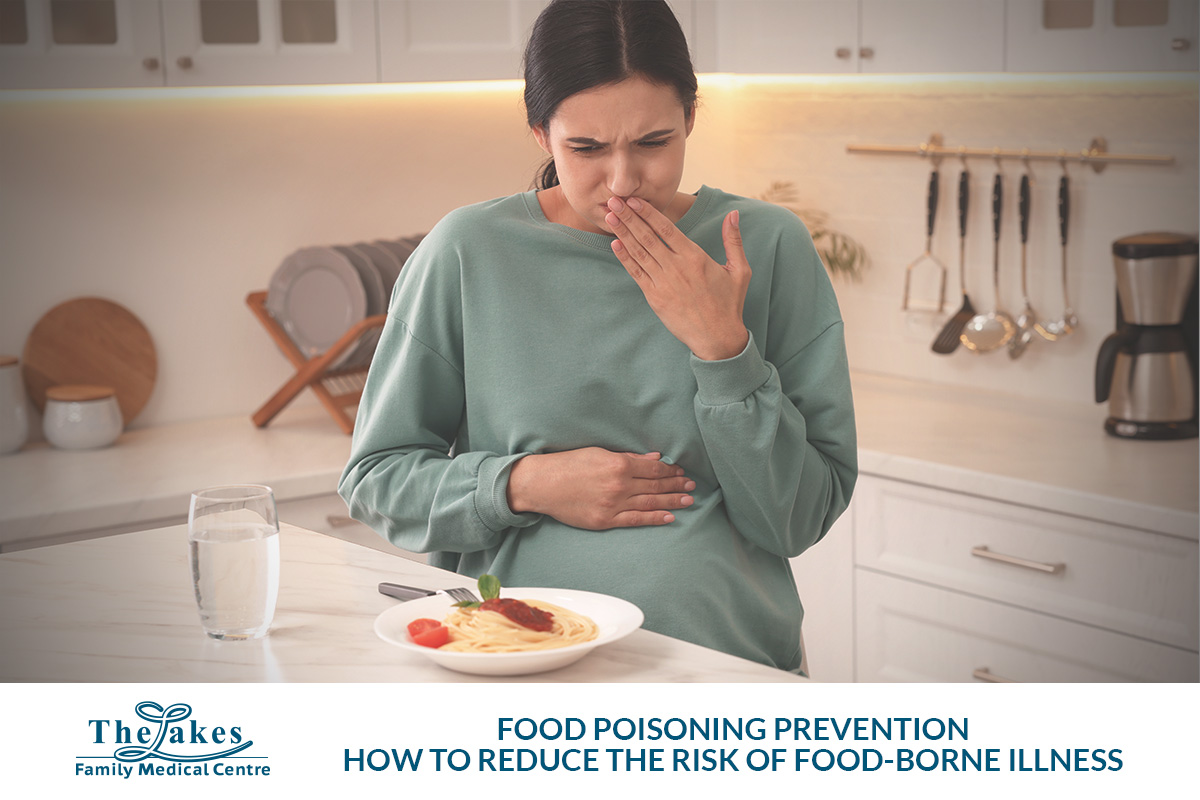
Food poisoning is a common health issue in Australia and affects thousands of people each year. In many cases, food poisoning occurs at home due to unsafe food handling, incorrect storage or poor preparation practices. By understanding food poisoning prevention and following basic food safety guidelines, Australians can reduce the risk of food-borne illness and protect their health.
What Is Food Poisoning?
Food poisoning occurs when you eat food contaminated with harmful bacteria or toxins. These bacteria, also known as food-borne pathogens, can multiply quickly when conditions allow. Unfortunately, contaminated food often looks, smells and tastes normal, which is why food safety practices are essential.
In Australia, the most common causes of food poisoning include bacteria such as Salmonella, Campylobacter, Escherichia coli (E. coli) and Listeria. These bacteria can contaminate food during production, transport, storage or preparation.
High-Risk Foods That Can Cause Food Poisoning
Some foods allow bacteria to grow more easily than others, especially when they are not stored or prepared correctly. For this reason, high-risk foods require extra care.
Common high-risk foods include:
- Raw and cooked meats such as chicken, mince and sausages
- Dairy products including custards, cream desserts and soft cheeses
- Eggs and egg-based meals like quiche
- Smallgoods such as ham and salami
- Seafood and seafood-based dishes
- Cooked rice and pasta
- Prepared salads, including pasta salads and rice salads
- Pre-cut or prepared fruit
- Ready-to-eat foods such as sandwiches, rolls and pizza
Although these foods may appear safe, food poisoning bacteria can multiply quickly if they are left in unsafe conditions.
Why Food Poisoning Bacteria Grow
Food poisoning bacteria multiply rapidly when conditions are favourable. Several factors influence this process.
Firstly, time plays a major role. Under ideal conditions, bacteria can multiply into large numbers within hours. Secondly, temperature is critical. Most food-borne bacteria grow best between 5 °C and 60 °C, known as the temperature danger zone. In addition, foods such as meat, dairy, eggs and seafood provide the nutrients bacteria need to grow. Moisture and neutral acidity also encourage bacterial growth.
As a result, keeping food out of the temperature danger zone is one of the most effective food poisoning prevention strategies.
Symptoms
Symptoms of food poisoning can develop within hours or may take up to several days to appear. The severity depends on the type of bacteria involved.
Common food poisoning symptoms include nausea, stomach cramps, diarrhoea, vomiting, fever and headaches. In some cases, bacteria such as Listeria can cause serious complications, particularly for pregnant women and people with weakened immune systems.
If symptoms are severe, persistent or occur in high-risk individuals, seeking medical advice promptly is important.
How to Prevent Food Poisoning at Home
Buying Food Safely
When buying food, you can reduce the risk of food contamination by purchasing chilled and frozen foods at the end of your shopping trip. Keep hot and cold foods separate, check use-by dates carefully and avoid damaged or leaking packaging. Take groceries home quickly and store them immediately.
Preparing Food Safely
Good food preparation habits play a key role in food safety. Always wash your hands thoroughly before handling food and dry them well. Use separate chopping boards for raw foods and ready-to-eat foods to prevent cross-contamination. Clean utensils and surfaces between tasks.
Cook food thoroughly, usually to at least 75 °C. Ensure poultry is fully cooked with no pink meat, cook mince and sausages until juices run clear and rinse fruit and vegetables before use. If you feel unwell, avoid preparing food for others.
Storing Food Correctly
Safe food storage helps prevent bacterial growth. Keep your refrigerator below 5 °C and your freezer below -15 °C. Store raw foods separately from cooked foods and place raw meat on the bottom shelf to prevent dripping. Cool cooked foods quickly and refrigerate them within two hours. Keep food covered and avoid storing food in opened cans.
The Importance of Prevention
Food poisoning can lead to dehydration, hospitalisation and long-term health problems. However, by following proper food handling, preparation and storage practices, Australians can significantly reduce the risk of food-borne illness. Doctors at Lakes Family Medical Practice can assess symptoms, provide treatment and offer guidance if food poisoning is suspected, particularly for those at higher risk of complications.
Learn more about The Lakes Family Medical Centre :