

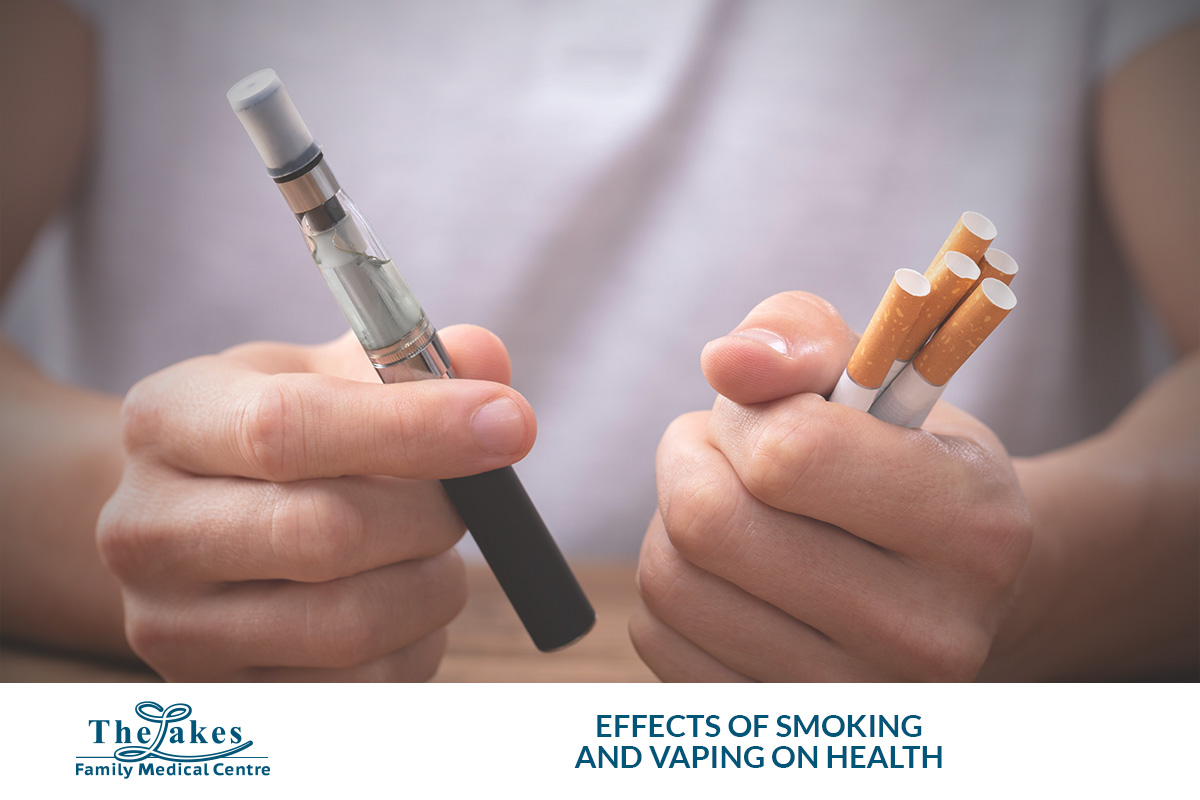
The effects of smoking and vaping on health are widely discussed across Australia as lifestyle habits and public awareness continue to change. While cigarette smoking has declined over time, vaping and e-cigarette use have become more common, particularly among younger adults. Both smoking and vaping involve inhaling substances into the lungs, where they enter the bloodstream and interact with various systems in the body.
This article provides an overview of how smoking and vaping affect the body, using clear structure, relevant keywords and readable language suitable for Australian audiences.
Smoking and its effects on the body
Smoking involves burning tobacco and inhaling cigarette smoke. The smoke contains numerous chemical substances that travel from the lungs into the bloodstream.
Over time, smoking alters blood vessel function and reduces oxygen levels in the blood. These changes affect multiple organs, including the heart and lungs and influence immune system activity. Smoking also affects how the body manages inflammation and tissue repair.
In addition, second-hand smoke exposure introduces similar substances into the body, particularly affecting people who spend time in enclosed or shared environments.
Vaping and inhaled aerosols
Vaping devices, including e-cigarettes and vape pens, heat liquid to create an aerosol that users inhale. These liquids often contain nicotine, flavourings and other additives. Because vaping does not involve combustion, the aerosol differs from cigarette smoke in composition.
However, inhaled vapour still carries chemical compounds into the lungs and bloodstream. Some substances originate from the vaping liquid itself, while others form during the heating process. As a result, vaping affects the respiratory system differently to smoking, but still involves direct lung exposure.
Nicotine and its role in the body
Nicotine is a key component of most tobacco products and many vaping devices. After inhalation, nicotine rapidly enters the bloodstream and reaches the brain.
Within the body, nicotine affects heart rate and blood pressure by stimulating the nervous system. It also interacts with brain pathways responsible for attention, mood and reward. With repeated exposure, the brain adapts to nicotine, leading to changes in how it responds to nicotine levels.
Nicotine exposure during adolescence and early adulthood occurs while brain development is still ongoing, which makes this stage of life particularly significant in discussions around nicotine use.
Effects on lung and heart health
Smoking directly exposes the lungs to heated smoke and fine particles. Over time, this exposure affects airflow, lung tissue and breathing efficiency.
Vaping exposes the lungs to aerosolised particles that come into contact with airway surfaces. Some individuals experience throat or airway irritation due to this exposure. Both smoking and vaping involve substances that interact with lung tissue and influence respiratory function.
In terms of heart health, nicotine affects circulation by influencing blood vessel tone and heart rhythm. These changes impact cardiovascular function and form part of the broader discussion around smoking and vaping health effects.
Nicotine dependence and usage patterns
Nicotine is known for its addictive properties. Cigarettes and vaping devices deliver nicotine efficiently, allowing dependence to develop with repeated use.
As nicotine dependence develops, individuals may experience tolerance and withdrawal-related changes when nicotine intake varies. These effects reflect how nicotine interacts with the nervous system over time.
Nicotine use patterns differ widely across the population, with some people smoking, some vaping and others alternating between the two.
Mental health and nicotine use
Nicotine interacts with brain systems involved in emotional regulation, focus and stress response. These interactions influence how individuals experience mood and concentration during periods of nicotine use or reduced intake.
Experiences related to nicotine and mental health vary significantly between individuals and are shaped by personal, social and environmental factors.
Smoking and vaping among younger people
Vaping has become more common among younger age groups compared with traditional cigarette smoking. Factors such as product design, flavour availability and social influences contribute to this pattern.
During adolescence and early adulthood, the brain continues to develop. Nicotine exposure during this period interacts with neurological development, making youth vaping a frequently discussed topic in public health and education settings.
Conclusion
Smoking and vaping both involve inhaling substances that enter the body through the lungs and affect multiple systems. While vaping differs from smoking in how substances are delivered, both introduce nicotine and other compounds into the body. Our GP’s at Lakes Family Medical Centre can support people who are thinking about quitting smoking by discussing individual health factors and outlining available cessation options within primary healthcare settings.