

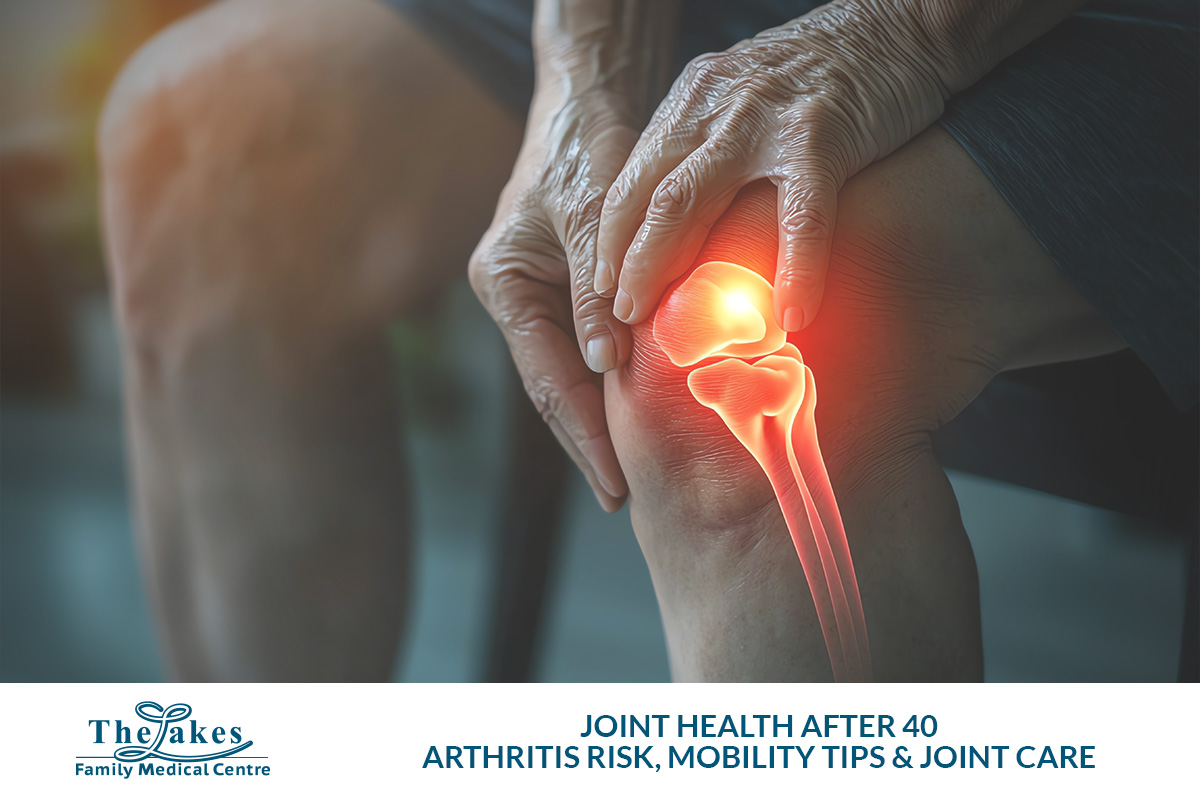
Many people begin to notice changes in their joints after the age of 40. Morning stiffness, occasional aches or reduced flexibility can affect daily activities and overall quality of life. While ageing contributes to joint changes, it does not automatically lead to significant joint problems. Understanding arthritis risk factors and adopting healthy habits can help support mobility and joint function for years to come.
Why Joint Health Changes After 40
Joints allow the body to move smoothly and comfortably. Over time, natural wear and tear can affect cartilage, muscles and surrounding tissues.
Cartilage acts as a cushion between bones. As people age, cartilage may become thinner and less resilient. Muscle strength may also decline without regular physical activity.
These changes can contribute to:
- Joint stiffness
- Reduced flexibility
- Occasional discomfort
- Slower recovery from physical activity
- Increased injury risk
Maintaining joint health becomes increasingly important during midlife and beyond.
Understanding Arthritis
Arthritis is a broad term that describes inflammation or degeneration within the joints. It affects millions of Australians and remains one of the leading causes of pain and reduced mobility.
Several forms of arthritis exist, but two common types include:
Osteoarthritis
Osteoarthritis develops when joint cartilage gradually wears down. It commonly affects the knees, hips, hands and spine.
Symptoms may include:
- Joint pain
- Stiffness
- Swelling
- Reduced range of motion
Rheumatoid Arthritis
Rheumatoid arthritis is an autoimmune condition that causes the immune system to attack joint tissues.
Common symptoms include:
- Joint pain
- Morning stiffness
- Fatigue
- Swollen joints
Early assessment and diagnosis can help support better long-term management.
Risk Factors for Arthritis After 40
While ageing increases risk, several other factors can influence joint health.
Excess Body Weight
Extra body weight places greater stress on weight-bearing joints such as the knees and hips. Maintaining a healthy weight may help reduce joint strain.
Sedentary Lifestyle
Limited physical activity can weaken muscles that support and protect the joints.
Previous Joint Injuries
Past sports injuries or accidents can increase the likelihood of future joint problems.
Family History
Genetics may play a role in the development of certain forms of arthritis.
Repetitive Joint Stress
Certain occupations and activities involve repeated joint movements that may contribute to long-term wear. Understanding personal risk factors can help guide preventive care strategies.
Early Signs of Joint Problems
Many people ignore mild symptoms until they interfere with daily life. Early attention can support better outcomes.
Common warning signs include:
- Persistent joint pain
- Morning stiffness lasting longer than usual
- Swelling around joints
- Reduced flexibility
- Clicking or grinding sensations
- Difficulty performing routine activities
If symptoms continue or worsen, it is important to seek medical advice.
Mobility Tips for Healthy Joints
Protecting joint health often starts with consistent daily habits.
Stay Physically Active
Regular movement helps maintain flexibility and supports joint function.
Beneficial activities may include:
- Walking
- Swimming
- Cycling
- Stretching exercises
- Low-impact fitness programs
Physical activity also strengthens muscles that help stabilise joints.
Improve Muscle Strength
Strong muscles reduce stress on the joints and support better balance. Resistance training can help maintain strength as people age.
Maintain a Healthy Weight
Even modest weight loss may reduce pressure on joints and improve comfort. Healthy eating and regular exercise often work together to support joint health.
Support Good Posture
Proper posture reduces unnecessary strain on joints and muscles.
Manage Chronic Conditions
Conditions such as diabetes and cardiovascular disease may affect overall wellbeing and physical activity levels. Regular medical care helps support whole-body health.
Prioritise Flexibility
Gentle stretching improves range of motion and may reduce stiffness. Incorporating flexibility exercises into a weekly routine can support mobility.
Wear Appropriate Footwear
Supportive footwear can help reduce stress on the knees, hips and lower back.
Joint Care Strategies for Long-Term Health
Preventive care remains one of the most effective ways to protect joints.
Listen to Your Body
Pain is often a signal that the body needs rest, modification or assessment.
Avoid pushing through persistent joint discomfort without medical advice.
When to See Your GP?
Joint pain should not always be considered a normal part of ageing. Early assessment may help identify underlying causes and guide appropriate treatment.
A GP consultation may be beneficial if you experience:
- Ongoing joint pain
- Joint swelling
- Reduced mobility
- Difficulty completing daily tasks
- Symptoms that affect sleep or quality of life
Early intervention may help prevent progression and improve long-term outcomes.
Joint Health Support at Lakes Family Medical Centre
At Lakes Family Medical Centre, our experienced healthcare team supports patients across Caboolture South and the greater Brisbane region with preventive health care and chronic disease management.
We understand how joint health affects mobility, independence and quality of life. Our GPs can assess symptoms, discuss risk factors and develop personalised care plans that align with individual health goals.
Healthcare support may include:
- Joint health assessments
- Chronic disease management
- Preventive health checks
- Lifestyle guidance
- Mobility and well-being support
Regular health reviews can help patients stay active and maintain confidence in their daily lives.
Protecting Your Mobility for the Future
Joint health after 40 requires a proactive approach. Small lifestyle changes can make a significant difference over time. Staying active, maintaining a healthy weight and seeking early medical advice can help preserve mobility and reduce arthritis-related complications.
Looking after your joints today can support a more active and comfortable future.
Final Thoughts
If joint pain, stiffness or mobility concerns are affecting your daily life, the team at Lakes Family Medical Centre can help. Our experienced GPs provide comprehensive assessments, preventive care and chronic disease management for patients throughout Caboolture South and Brisbane. Early attention to joint health may help you stay active, independent and engaged in the activities you enjoy.
*This article is for general information only. Do not consider it as a professional medical advice. Seek doctor’s appointment whenever required.
Learn more about The Lakes Family Medical Centre :