

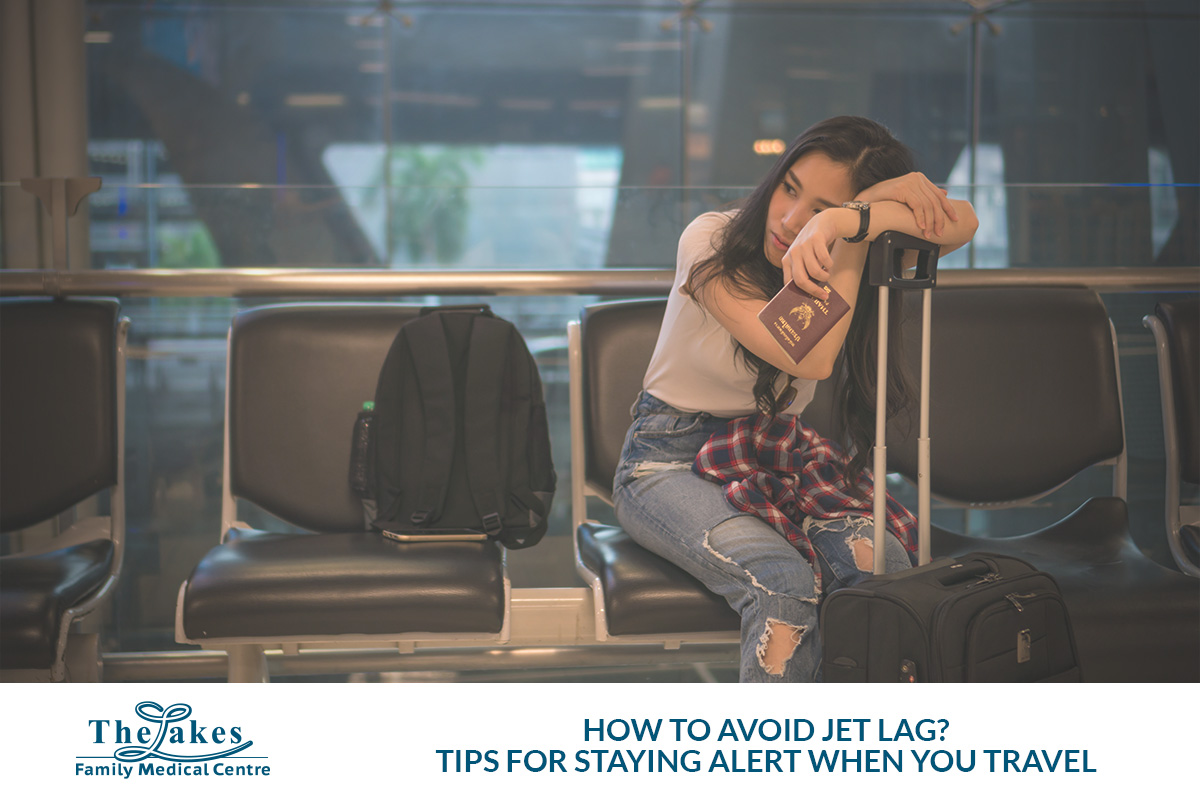
Jet lag often disrupts long-distance travel, especially for Australians heading to destinations like the UK, Europe, North America or Asia. When you cross multiple time zones, your internal body clock struggles to keep up. As a result, you may feel tired, foggy or out of rhythm for several days.
Fortunately, you can take practical steps before, during and after your trip to reduce jet lag and stay alert. This guide explains how to avoid jet lag using simple, effective strategies that help your body adjust faster.
What You’ll Learn in This Guide
This article will walk you through:
- What causes jet lag
- How to prepare your body before travelling
- What to do during long flights
- The best ways to adjust after you land
- GP-informed travel health tips for smoother recovery
What Causes Jet Lag?
Jet lag occurs when your circadian rhythm of your internal 24-hour clock no longer matches the local time at your destination. Because your body still follows your usual cycle, you may experience symptoms such as fatigue, poor concentration, digestive changes, irritability and sleep disturbances.
Travelling east tends to make jet lag more noticeable because your day becomes shorter. However, any long-haul trip can disrupt your rhythm if you do not prepare.
How to Avoid Jet Lag
Before You Travel
You can significantly reduce jet lag by adjusting your routine before you fly.
Shift your sleep pattern gradually
Start moving your bedtime and waking time closer to the schedule at your destination. Even small shifts help your circadian rhythm begin adapting.
Adjust your meal timing
Your digestive system responds strongly to routine. Therefore, moving your meals earlier or later supports smoother adjustment once you land.
Rest properly before flying
Avoid starting your trip exhausted. When you sleep well before departure, your body adapts more easily to time zone changes.
Stay physically active
Light activity, such as walking or stretching, helps regulate your sleep–wake cycle and improves energy levels leading up to your flight.
During Your Flight
What you do during your flight plays a key role in reducing jet lag symptoms.
Stay hydrated
Drink plenty of water throughout the journey. Since the cabin air is dry, staying hydrated helps your body maintain energy and reduces discomfort.
Limit alcohol and caffeine
Both substances dehydrate you and disrupt sleep, which can intensify jet lag. Choosing water or herbal tea instead keeps your body balanced.
Move regularly
Stand up, stretch and walk the aisle every couple of hours. This improves circulation and reduces stiffness, especially on long-haul flights.
Set your devices to local time
Changing your phone or watch to your destination’s time zone encourages your mind to start adjusting early.
After You Arrive
Once you land, you can help your body adapt quickly by following the local routine.
Follow the local sleep schedule
Go to bed and wake up according to local time, even if you feel tired or restless. This step is crucial in resetting your internal clock.
Expose yourself to natural light
Sunlight is one of the strongest tools for resetting circadian rhythm.
- After travelling east, morning light helps you feel more alert.
- After travelling west, late-afternoon light helps shift your rhythm later.
Stay lightly active
Movement boosts alertness and reduces the sluggish feeling associated with jet lag. A short walk outdoors works particularly well.
Eat meals at the correct times
When you eat according to the local schedule, your digestive system helps reinforce your new routine.
Sample Sleep-Adjustment Strategy
If you are crossing several time zones, gradually adjusting your sleep routine before departure will help your body transition.
Here’s an example approach:
- Shift your bedtime earlier or later by 30–60 minutes each night.
- Wake up earlier or later at the same pace.
- Move meals gradually to match the schedule at your destination.
- Maintain consistent sleep in the days before travel.
These small changes prepare your internal clock, which makes your first few days overseas much easier.
Conclusion
Jet lag does not have to slow down your travel plans. When you adjust your sleep schedule, hydrate during your flight, use sunlight strategically and follow the local routine once you land, you encourage your body to adapt more smoothly. By staying proactive, you can enjoy clearer thinking, better energy and a more enjoyable start to your trip.
How We Can Help
Lakes Family Medical Centre provides personalised travel health advice, general medical care, sleep and fatigue support, chronic condition management, vaccinations, health checks and allied health services for individuals and families across Brisbane. Our GPs can guide you on healthy travel habits and practical strategies to reduce jet lag so you can travel with confidence and comfort.
Learn more :