
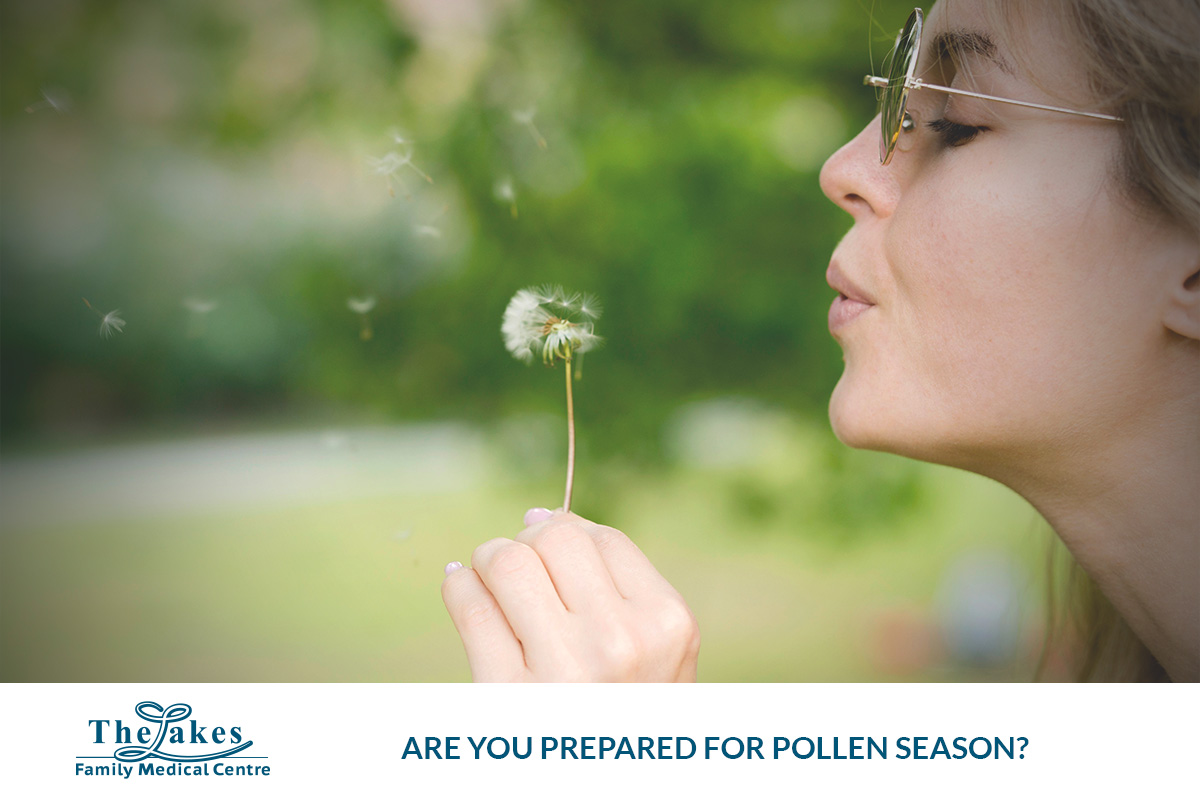
As the weather changes across Brisbane and South East Queensland, many people begin experiencing seasonal allergy symptoms. Sneezing, itchy eyes, runny noses, and nasal congestion often become part of daily life during pollen season. For some people, pollen can also worsen asthma symptoms and affect sleep, work, school, and outdoor activities.
Preparing before pollen levels rise can help reduce symptoms and improve your quality of life. Knowing when to seek medical advice also ensures allergies are managed effectively throughout the season.
What Is Pollen Season?
Pollen season occurs when trees, grasses, and weeds release pollen into the air as part of their natural reproductive cycle. Wind carries these tiny particles over long distances, making them easy to inhale.
People with seasonal allergic rhinitis, commonly known as hay fever, have an immune system that reacts to pollen as though it were harmful. This reaction leads to the familiar symptoms many experience each year.
Brisbane’s warm climate means pollen can be present for extended periods, with grass pollen often contributing to seasonal symptoms.
Common Symptoms of Pollen Allergies
Symptoms vary from person to person but commonly include:
- Frequent sneezing.
- Runny or blocked nose.
- Itchy nose.
- Itchy or watery eyes.
- Scratchy throat.
- Cough caused by postnasal drip.
- Tiredness from disrupted sleep.
Some people may also notice worsening asthma symptoms, including coughing, wheezing, chest tightness, or shortness of breath during periods of high pollen exposure.
Simple Ways to Reduce Pollen Exposure
Although pollen cannot be avoided completely, several practical steps may reduce exposure.
Consider:
- Checking daily pollen forecasts.
- Keeping windows closed during high pollen periods.
- Showering after spending time outdoors.
- Changing clothes after outdoor activities.
- Drying washing indoors when pollen levels are high.
- Wearing sunglasses outdoors to help reduce pollen reaching the eyes.
- Using air conditioning with clean filters where appropriate.
Small daily habits can often make seasonal symptoms easier to manage.
Keep Your Home Allergy Friendly
Indoor environments also play an important role.
Regular vacuuming, dusting, and cleaning may help remove pollen that enters the home. Washing bedding regularly and keeping pets clean after outdoor play can also reduce pollen being carried indoors.
Creating a cleaner indoor environment supports comfort throughout allergy season.
Managing Asthma During Pollen Season
People with asthma should pay extra attention during periods of increased pollen.
If you already have asthma, ensure your asthma action plan remains current and discuss any changes in symptoms with your GP. Increased coughing, wheezing, or reliance on reliever medication should not be ignored.
Early review helps ensure asthma remains well managed throughout the season.
When Should You See a GP?
Occasional allergy symptoms can often be managed with practical lifestyle measures. However, medical advice is recommended if symptoms:
- Continue despite self-care.
- Affect sleep.
- Interfere with work or school.
- Cause ongoing sinus discomfort.
- Trigger asthma symptoms.
- Become more severe each season.
A GP can assess your symptoms, confirm whether allergies are the likely cause, recommend suitable treatment options, and identify whether another condition may be contributing.
Plan Ahead Before Symptoms Start
Pollen season arrives every year, but it does not need to disrupt your daily life. Preparing early, reducing pollen exposure, recognising symptoms, and seeking timely medical advice can make a significant difference.
Whether you experience mild hay fever or seasonal asthma flare-ups, planning ahead helps you enjoy everyday activities with greater comfort and confidence.
Supporting Your Health During Allergy Season
If seasonal allergies or asthma symptoms are affecting your daily life, our experienced GPs are here to help. We provide personalised assessments, practical management strategies, preventive healthcare, and ongoing support to help you and your family stay well throughout Brisbane’s pollen season.
*This article is for general information only. Do not consider it as a professional medical advice. Seek doctor’s appointment whenever required.ed.
Learn more about The Lakes Family Medical Centre :