

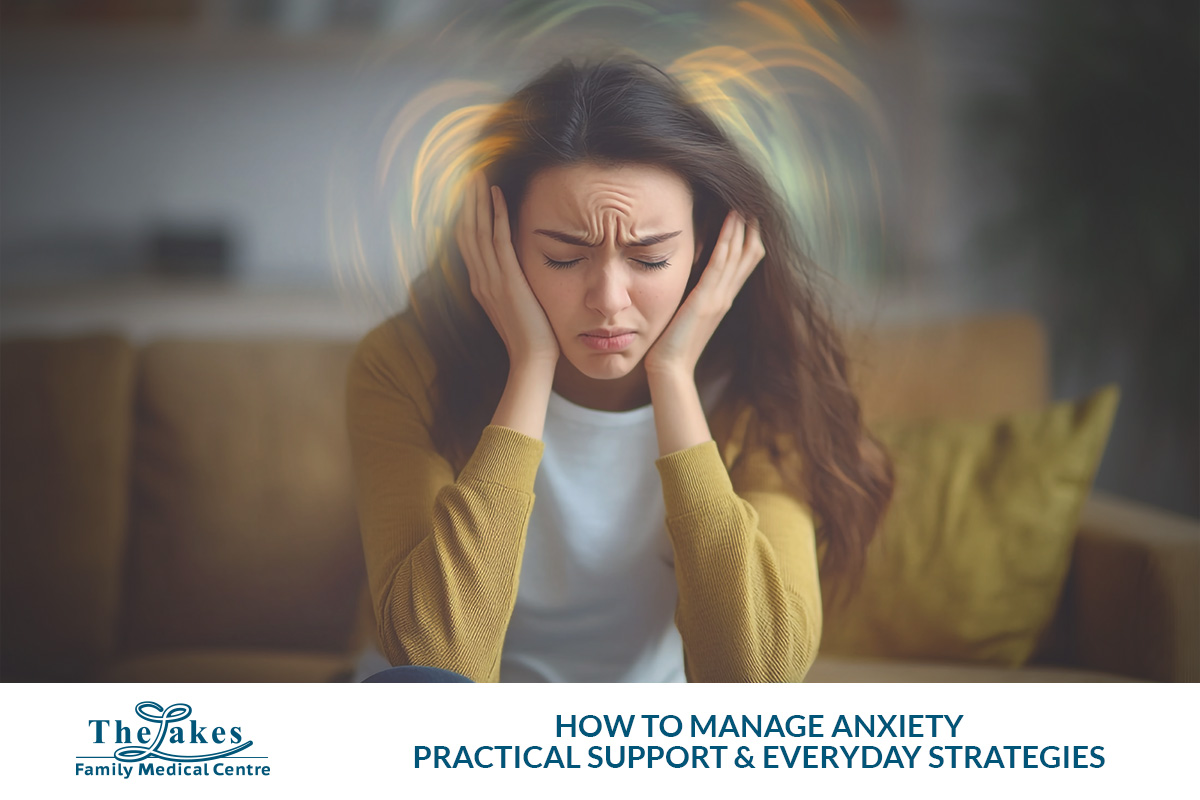
Anxiety is a common mental health concern that can affect people of all ages, lifestyles and stages of life. For some, it feels like constant worry. For others, it shows up as poor sleep, racing thoughts, irritability, chest tightness, low concentration or feeling overwhelmed by everyday tasks. While occasional stress is part of life, ongoing anxiety can start to affect work, relationships, sleep and physical health. For patients in Caboolture and the wider Brisbane area, understanding how to manage anxiety can be an important step toward feeling more in control. The Lakes Family Medical Centre lists mental health consultations with GPs, allied health support when required, care plans, health checks and preventive care among its current services, making general practice a practical starting point for support.
Why anxiety can feel different for each person
Anxiety does not always look the same. Some people experience frequent worry about health, finances or family responsibilities. Others notice physical symptoms first, such as headaches, fatigue, stomach discomfort, muscle tension or a racing heart. In some cases, anxiety can build gradually and become part of daily life before a person realises how much it is affecting them.
That is why learning how to manage anxiety is not about finding one perfect solution. It is usually about combining small, realistic strategies that reduce stress, improve routine and make it easier to seek help when needed. A GP can also help explore whether symptoms may be linked to another health issue, especially if the person has poor sleep, chronic illness or overlapping physical symptoms. The Lakes Family Medical Centre specifically lists general health care, health checks, chronic condition management and mental health consultations as part of its service offering.
Simple ways to manage anxiety day to day
Many people benefit from starting with basic habits that support both mental and physical wellbeing. These strategies may not remove anxiety overnight, but they can help reduce its intensity and improve coping over time.
• Keep a regular sleep and wake routine where possible
• Reduce excess caffeine if it seems to worsen restlessness or racing thoughts
• Stay physically active with gentle, manageable movement
• Break large tasks into smaller steps to reduce overwhelm
• Spend time talking with supportive family, friends or health professionals
• Limit constant exposure to stressful news or online content when it increases worry
Breathing exercises, mindfulness and structured relaxation may also help some people slow down physical stress responses. What matters most is choosing strategies that feel sustainable, not extreme. Anxiety management is often more effective when it becomes part of a daily routine rather than something used only during a crisis.
When anxiety starts affecting everyday life
It may be time to seek support if anxiety is becoming persistent, harder to control or linked to changes in sleep, appetite, concentration or mood. Some people begin avoiding work, social situations, driving, appointments or tasks that previously felt manageable. Others notice irritability, exhaustion or a sense that they are always “on edge”.
These signs do not mean someone is failing to cope. They may simply suggest that extra support would be helpful. A GP can provide an initial assessment, discuss symptoms, help rule out other contributing factors and talk through suitable next steps. The Lakes Family Medical Centre notes that mental health consultations are available with its GPs and that allied health support is available when required. It also advises that mental health plans require a longer appointment, which can be useful for more detailed conversations.
How GP support can help with anxiety
For many people, a GP is one of the most accessible first steps for mental health support. A consultation can help identify symptom patterns, review physical health, discuss stressors and consider a care approach that fits the individual’s needs. That may involve regular GP follow-up, a mental health plan, lifestyle advice, preventive care or referral to allied health support where appropriate.
The Lakes Family Medical Centre is a mixed billing practice in Caboolture and states that care plans and health assessments continue to be bulk billed. Its services include care plans and mental health plans, preventive care, adolescent health and mental health, chronic condition management and general health care. For patients in Brisbane’s north, that supports a more connected approach where mental health is considered alongside overall wellbeing.
A balanced approach to feeling better
Managing anxiety often works best when people focus on progress rather than perfection. Some days may feel easier than others. Small changes such as better sleep habits, regular meals, movement, reduced overstimulation and professional support can make a meaningful difference over time. It can also help to remember that anxiety is not just “in your head”. It can affect the whole body, which is why a whole-person approach through general practice can be valuable.
The Lakes Family Medical Centre’s website highlights a team of GPs and support staff working together to provide quality patient care in Caboolture, Brisbane. Its service providers page lists several general practitioners, which supports patients looking for ongoing, local GP care for mental health and broader health concerns.
Final Thoughts
If anxiety is starting to affect your sleep, concentration, mood or daily routine, early support can help. The Lakes Family Medical Centre in Caboolture offers mental health consultations, care plans, preventive care, health checks and general health care, providing a practical local option for patients across Brisbane’s north who want support with anxiety management and overall wellbeing.
*This article is for general information only. Do not considered it as a professional medical advice.
Learn more about The Lakes Family Medical Centre :