

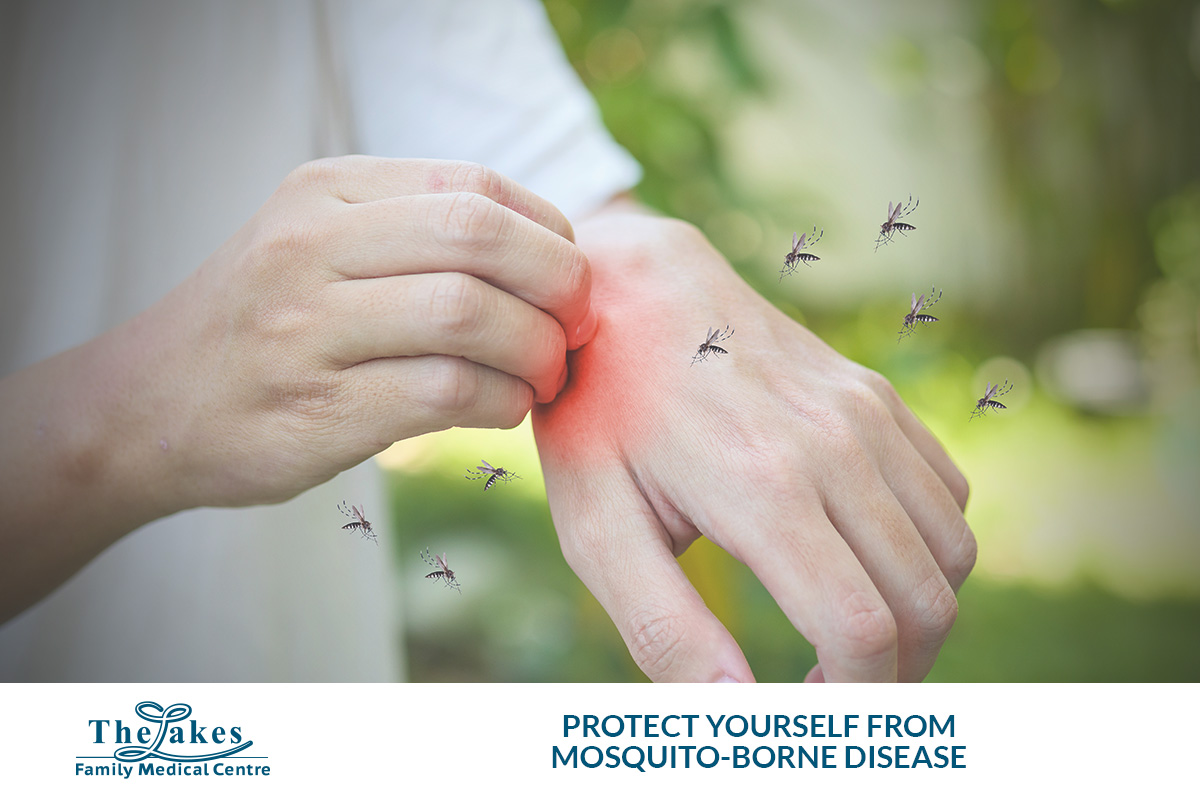
Staying active is one of the most practical ways older adults can support their health, mobility and inMosquito bites are often dismissed as a minor irritation, but in Queensland they can sometimes lead to more serious health concerns. Queensland Health says the most common mosquito-borne diseases in Queensland are Ross River virus, Barmah Forest virus and dengue, and reported cases typically increase during warmer, wetter months, often from December through April or May. For families in Brisbane, Caboolture and surrounding areas, that makes mosquito bite prevention an important part of everyday health planning.
Why mosquito-borne disease matters in Brisbane
Brisbane’s climate, rainfall and outdoor lifestyle can all contribute to higher mosquito activity at certain times of year. Queensland Health has also warned that mosquito-borne disease risk may rise after heavy rain and flooding, and it confirmed Japanese encephalitis virus was detected in mosquitoes in Brisbane in March 2025. While not every mosquito carries infection, the risk is real enough to make prevention worthwhile, especially for children, older adults, travellers, people spending time outdoors and those with underlying health concerns.
It is also important to understand that mosquito-borne illnesses do not all look the same. Ross River virus and Barmah Forest virus may cause fever, rash, fatigue and joint pain, while dengue can lead to high fever, headache, muscle pain and significant illness. Queensland Health notes that dengue is not normally present in Australia and outbreaks in Queensland usually begin when a traveller returns infected and local mosquitoes then spread the virus.
How to protect yourself from mosquito-borne disease
The most effective approach is to avoid mosquito bites in the first place. Queensland Health advises that prevention matters because there is no vaccine for Ross River virus or dengue, and simple bite-avoidance steps remain central to reducing infection risk.
Practical steps include:
• Use a reputable insect repellent as directed on exposed skin
• Wear long sleeves and long pants when mosquitoes are active
• Take extra care around dusk and dawn, when some mosquitoes are more active
• Reduce stagnant water around the home where mosquitoes may breed
• Use screens, fans or other barriers to lower indoor exposure
These steps are especially relevant after storms, humid weather and local flooding, when mosquito numbers may increase. For households in Brisbane’s outer suburbs and northside growth areas, staying alert after wet weather can be a simple but useful health habit.
What symptoms should you watch for?
Not every mosquito bite leads to illness, but symptoms after bites should not be ignored if they seem more significant than a usual skin reaction. Common warning signs can include fever, rash, headache, tiredness, body aches or ongoing joint pain. Some viral infections can leave people feeling unwell for longer than expected, even after the first fever settles. Queensland Health notes that some mosquito-borne diseases in Queensland are locally acquired, while others are associated with overseas travel and return to Queensland.
If symptoms develop after recent mosquito exposure, especially after travel or during periods of higher mosquito activity, it is sensible to speak with a GP. A medical review can help assess whether testing, symptom management or follow-up is appropriate.
When to see a GP
A GP review may be appropriate if you have fever after mosquito bites, persistent rash, worsening fatigue, ongoing joint pain, dehydration, severe headache or symptoms after returning from overseas travel. It is also important to seek medical attention if symptoms are not improving or if the person affected is older, pregnant, immunocompromised or managing chronic health conditions. These situations may need more individualised assessment.
The role of preventive care
Mosquito-borne disease prevention fits naturally into preventive health care. A short GP discussion can help patients think beyond bite treatment and consider travel risks, symptom monitoring, chronic condition management and when a seemingly mild illness may need review. Preventive care is particularly relevant for people who spend time outdoors for work, sport or family activities, or who are planning trips to areas where mosquito-borne infections are more common. The Lakes Family Medical Centre specifically lists preventive care and health checks as part of its service offering in Caboolture.
Good prevention is rarely complicated. It usually involves reducing exposure, recognising symptoms early, and knowing when to seek medical advice. In a Queensland climate, that can make a meaningful difference across mosquito season.
Living in Caboolture?
For patients in Caboolture, Brisbane, and surrounding areas, protection from mosquito-borne disease starts with prevention. It also depends on awareness and timely GP support when symptoms appear. The Lakes Family Medical Centre provides general health care, preventive care, health checks, and chronic condition management. It helps individuals and families take a practical approach to staying well during mosquito season.
*This information is general in nature and does not replace personalised medical advice. Please consult your GP for individual guidance.
Learn more about The Lakes Family Medical Centre :