

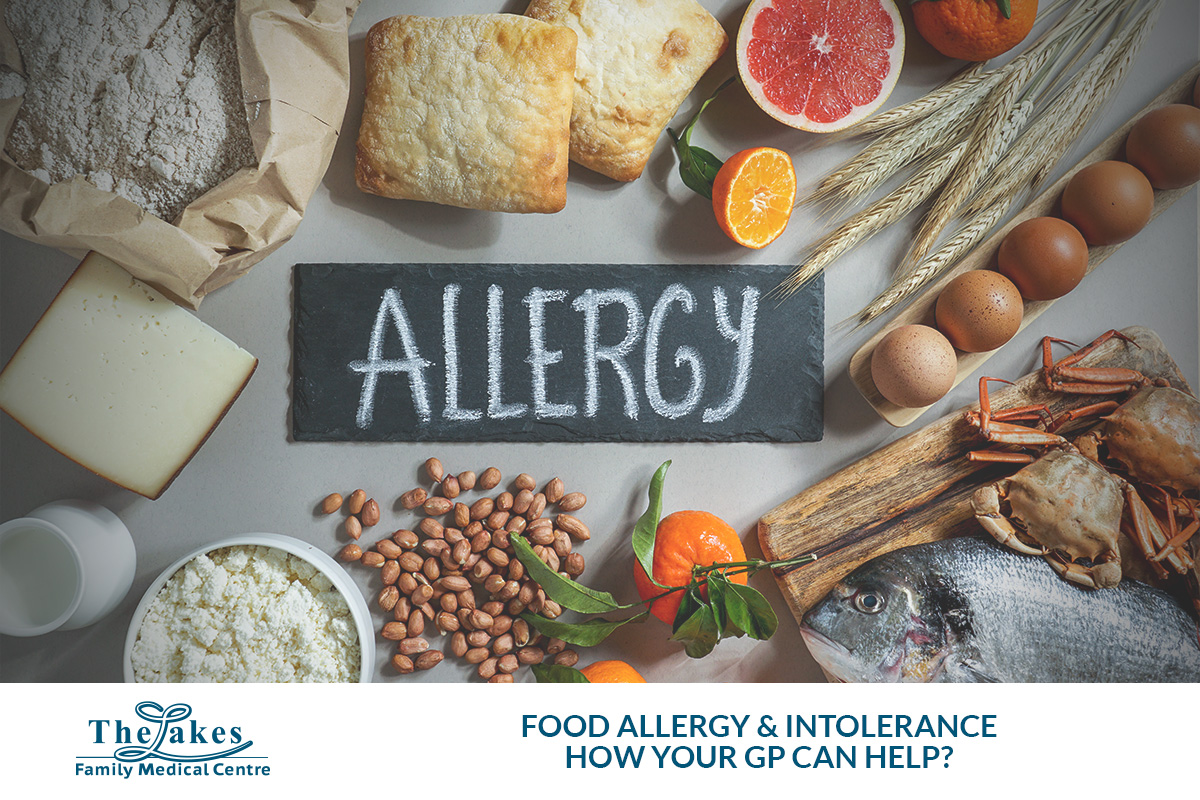
Food allergy and intolerance in Brisbane is a common concern for families, children and adults. Many people notice bloating, stomach pain, rashes, headaches or reactions after meals. The challenge is knowing whether the cause is an allergy, intolerance or another health issue. A GP can help you assess symptoms, avoid unnecessary food restrictions and plan safe next steps.
What is the difference between food allergy and intolerance?
A food allergy happens when the immune system reacts to a food allergen. Reactions can affect the skin, gut, breathing or heart. They may range from mild symptoms to anaphylaxis, which needs urgent care.
A food intolerance does not involve the immune system. It usually happens when the digestive system struggles to break down or absorb certain foods. Symptoms often depend on how much of the food you eat.
This difference matters. Food allergy may need emergency planning. Food intolerance often needs careful food tracking, diet advice and medical review.
Common food allergy symptoms
Food allergy symptoms can appear soon after eating. They may include hives, swelling around the face or mouth, vomiting or abdominal pain. Severe symptoms may include throat tightness, wheeze, breathing trouble, dizziness or collapse. Call triple zero if anaphylaxis is suspected.
Common allergy-causing foods include milk, egg, peanuts, tree nuts, soy, wheat, lupin, fish and shellfish. Coeliac disease is different. It is an autoimmune condition, not a food allergy.
Common food intolerance symptoms
Food intolerance symptoms may appear hours or days after eating. They can include bloating, stomach pain, diarrhoea, nausea, wind or constipation. Some people also report headaches, fatigue, itchy skin, eczema, blocked nose or asthma-like symptoms.
Common intolerances include lactose intolerance, fructose intolerance, gluten intolerance, FODMAP intolerance and food chemical sensitivity. Food chemical triggers may include sulfites, histamines and glutamates.
Why self-diagnosis can be risky
It is tempting to remove several foods at once. This can make symptoms harder to track. It may also increase the risk of nutrient gaps, especially in children, older adults and people with chronic health conditions.
Food intolerance can be difficult to diagnose. ASCIA notes that diagnosis should use clinical history, response to treatment and appropriate testing. Skin prick tests and allergen-specific IgE blood tests do not diagnose food intolerance. They can help diagnose food allergy when used correctly.
Healthdirect also warns that many advertised intolerance tests lack reliable evidence. A GP can help you avoid unnecessary tests and unsafe diet changes.
How a GP may assess food reactions?
Your GP may ask about your symptoms, timing, meal patterns, medical history and family history. They may also ask about asthma, eczema, hay fever, gut symptoms, medications and recent infections.
For suspected allergy, accurate diagnosis needs a clinical history plus evidence-based testing by a qualified medical practitioner. Test results alone cannot confirm food allergy without a medical review.
For suspected intolerance, your GP may discuss a symptom diary, short-term food changes or referral to a dietitian. Healthdirect notes that exclusion diets should involve professional guidance, especially for children.
When should you book a GP appointment?
Speak with a GP if food reactions happen more than once, affect daily life or cause worry. You should also seek help if symptoms occur with asthma, eczema, vomiting, weight loss, blood in stool, poor growth, fatigue or ongoing abdominal pain.
A review is also important if you already avoid major food groups. Removing dairy, wheat or many fruits and vegetables can affect nutrition. Professional support can help you manage symptoms while keeping meals balanced.
How Lakes Family Medical Centre supports patients?
Lakes Family Medical Centre provides GP care for families across Caboolture, north Brisbane and surrounding communities. The clinic website notes that services include experienced GPs, specialists, allied health support, online booking, chronic disease checks, family care, health checks, mental health consultations, women’s health, preventive care and skin cancer services.
The clinic has also published allergy management guidance, including food label awareness, cross-contamination care and GP-supported management plans.
For food allergy and intolerance concerns, your GP may support assessment, testing decisions, medication review, asthma review, chronic condition management, referrals and follow-up care.
Conclusion
Food reactions can feel confusing, but you do not need to guess alone. Lakes Family Medical Centre can support patients with GP-led assessment, practical advice and referrals when needed. Patients can view GP appointment options through HotDoc for The Lakes Family Medical Centre in Caboolture.
*This article is for general information only. Do not consider it as a professional medical advice.
Learn more about The Lakes Family Medical Centre :